

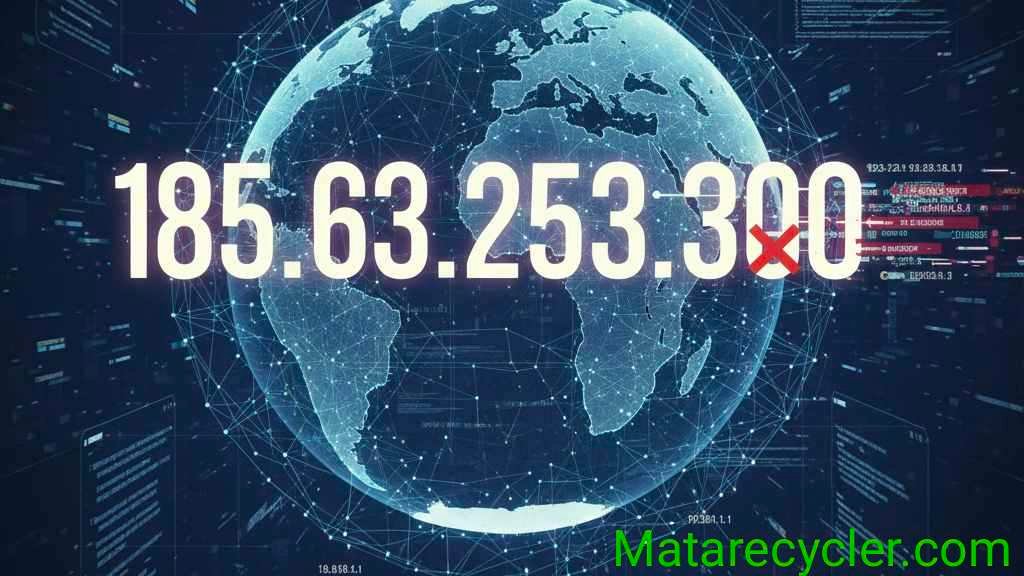
In today’s digital world, IP addresses are often discussed in the context of cybersecurity, website analytics, and network troubleshooting. Many users search unfamiliar IPs to understand their origin, purpose, or potential risks. One such example is 185.63.253.300, which has raised curiosity due to its unusual structure and frequent appearance in search queries. This article explains what such an address represents, how IP addressing works, and why understanding these details matters for internet users and professionals alike.
What Is an IP Address and How Does It Work?
An IP address is a unique numerical identifier assigned to devices connected to a network. It allows computers, servers, and smartphones to communicate with each other over the internet.
IPv4 vs IPv6 Addressing
IPv4 addresses are written in four numbers separated by dots, with each number ranging from 0 to 255. IPv6, on the other hand, uses a longer alphanumeric format to support the growing number of connected devices worldwide.
Why Valid Ranges Matter
Every IPv4 address must follow strict formatting rules. When an address falls outside the allowed range, it cannot be routed or assigned to a real device. Understanding these rules helps users avoid confusion when encountering unfamiliar IP formats online.
Is This IP Address Technically Valid?
One reason this address attracts attention is because it does not conform to standard IPv4 rules. In IPv4 notation, each segment must stay within a defined numerical limit.
Understanding IP Octet Limits
Each section of an IPv4 address is called an octet, and its maximum value is 255. Any number above this threshold makes the address invalid and unusable for real-world networking.
Common Reasons Invalid IPs Appear
Invalid IP addresses often show up due to typing errors, misconfigured software, placeholder values in documentation, or automated scripts generating incorrect data. In many cases, they are not linked to real servers or users.
Security and Privacy Implications

People often worry that a strange-looking IP might be associated with hacking attempts, spam traffic, or malicious activity. This concern is understandable in an era of rising cyber threats.
Can Invalid IPs Be Dangerous?
An address like 185.63.253.300 cannot exist on the public internet, which means it cannot directly attack systems or host malware. However, it may appear in logs or error messages when a system attempts to process incorrect data.
How Security Tools Handle Such Addresses
Firewalls, intrusion detection systems, and analytics platforms are designed to recognize invalid IP formats. They typically ignore or flag them as errors rather than treating them as real threats.
Why Users Search for This Address Online
Search trends show that users frequently look up unfamiliar IP addresses when reviewing server logs, email headers, or access reports.
Appearances in Logs and Reports
Website administrators may encounter 185.63.253.300 while analyzing traffic data or debugging applications. This usually indicates a configuration issue rather than a genuine visitor.
Misinterpretation and Online Confusion
Without technical background knowledge, it is easy to assume that any unknown IP is suspicious. This highlights the importance of basic networking literacy for digital professionals and everyday users.
How to Troubleshoot and Handle Invalid IP Addresses

If you encounter an invalid IP in your systems, there are practical steps you can take to identify and resolve the issue.
Check Configuration and Input Sources
Ensure that forms, scripts, APIs, and third-party tools are validating IP addresses correctly. Improper input validation is a common cause of malformed data.
Monitor Without Panic
When 185.63.253.300 appears in logs, treat it as a signal to review technical settings rather than a confirmed security incident. Regular monitoring and proper logging practices help maintain a healthy network environment.
FAQ’s about 185.63.253.300
Q1. What does an invalid IP address mean?
It means the address does not meet the technical standards required for internet routing.
Q2. Can an invalid IP be traced to a real location?
No, invalid IPs are not assigned to real devices or geographic locations.
Q3. Should I block such IP addresses?
Blocking is usually unnecessary, as they cannot connect to your system in the first place.
Q4. Why do invalid IPs appear in server logs?
They often result from misconfigurations, software bugs, or incorrect user input.
Conclusion:
Understanding IP addressing basics helps demystify many online mysteries. While 185.63.253.300 may look concerning at first glance, it is not a real, usable IP address and poses no direct threat. Instead, its appearance often points to technical errors, placeholder data, or misunderstandings about how internet protocols work. By learning how IP addresses are structured and validated, users and administrators can respond calmly, troubleshoot effectively, and maintain stronger digital awareness in an increasingly connected world.


