

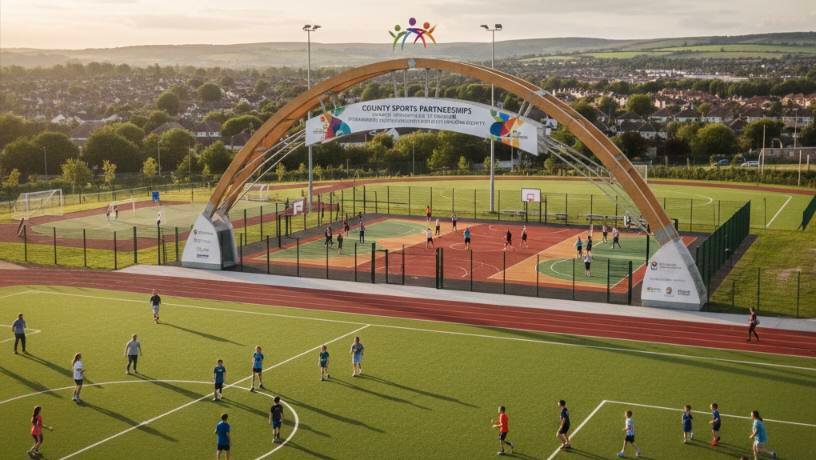
Understanding the Role of Local Sports Collaboration
Local sport has changed dramatically over the last decade. Communities now expect inclusive access, better health outcomes, and sustainable programmes that reach people of all ages and abilities. This is where county sports partnerships play a central role, acting as connectors between local authorities, schools, clubs, charities, and health services.
At their core, these partnerships are designed to increase participation in physical activity while supporting grassroots sport. They bring structure to local initiatives, ensuring resources are used wisely and that programmes align with regional and national strategies.
How Partnerships Support Grassroots Development
Grassroots clubs often struggle with funding, volunteers, and long-term planning. Through shared expertise and coordinated support, local partnerships help clubs improve governance, coach education, and access to facilities, making community sport more resilient.
Driving Health, Wellbeing, and Social Impact
Sport is no longer viewed only as competition. It is now widely recognised as a tool for improving mental health, reducing social isolation, and promoting active lifestyles. By working closely with public health bodies, county sports partnerships ensure that physical activity programmes address real community needs.
These collaborations are particularly effective in tackling inactivity among underrepresented groups, including older adults, people with disabilities, and those living in deprived areas.
Linking Physical Activity to Public Health Goals
By aligning sport initiatives with health strategies, partnerships help reduce pressure on healthcare systems. Walking football, inclusive cycling, and community fitness sessions are examples of how sport can directly support wellbeing outcomes.
Supporting Education and Youth Pathways

Young people benefit greatly from structured and safe opportunities to be active. Schools and colleges often rely on external expertise to deliver high-quality physical education and extracurricular sport. County sports partnerships bridge this gap by connecting educators with coaches, clubs, and development programmes.
This approach not only improves physical literacy but also supports life skills such as teamwork, confidence, and resilience.
Creating Clear Pathways for Talent and Participation
Not every young person wants to become an elite athlete. Effective partnerships create flexible pathways that allow children to enjoy sport recreationally or progress competitively, depending on their interests and abilities.
Funding, Innovation, and Digital Transformation
Securing funding is one of the biggest challenges in community sport. Local partnerships help organisations access grants, sponsorships, and national funding streams by providing guidance and coordinated applications. In recent years, county sports partnerships have also embraced digital tools to increase reach and engagement.
Online booking systems, virtual coaching, and data-driven insights now play a role in shaping modern sports development.
Using Data to Measure Impact
Accurate data helps demonstrate social value. Participation numbers, wellbeing outcomes, and community feedback allow programmes to evolve and remain accountable to funders a
nd stakeholders.
Building Sustainable and Inclusive Sporting Communities

Long-term success in sport depends on inclusion and sustainability. Partnerships focus on removing barriers such as cost, accessibility, and cultural perceptions. By working with local leaders and volunteers, county sports partnerships help create welcoming environments where everyone feels encouraged to take part.
Environmental sustainability is also gaining attention, with initiatives promoting active travel, shared facilities, and reduced waste at sporting events.
Encouraging Community Ownership
When local people feel ownership of programmes, participation increases. Training volunteers and empowering community champions ensures initiatives continue long after initial funding ends.
FAQ’s
Q1. What is the main purpose of these partnerships?
They aim to increase participation in sport and physical activity while improving health and community outcomes.
Q2. Who is involved in local sports collaborations?
Local councils, schools, clubs, health services, charities, and volunteers all play a role.
Q3. Do these partnerships focus only on athletes?
No, they support everyone, from beginners and casual participants to competitive players.
Q4. How do communities benefit long term?
They gain healthier residents, stronger social connections, and more sustainable sports programmes.
Conclusion:
Local sport thrives when organisations work together with a shared vision. Through collaboration, innovation, and a strong focus on inclusion, local partnerships continue to transform how communities engage with physical activity. By supporting grassroots clubs, improving health outcomes, and creating accessible opportunities, these collaborative models ensure sport remains a powerful force for positive change at the community level.


